

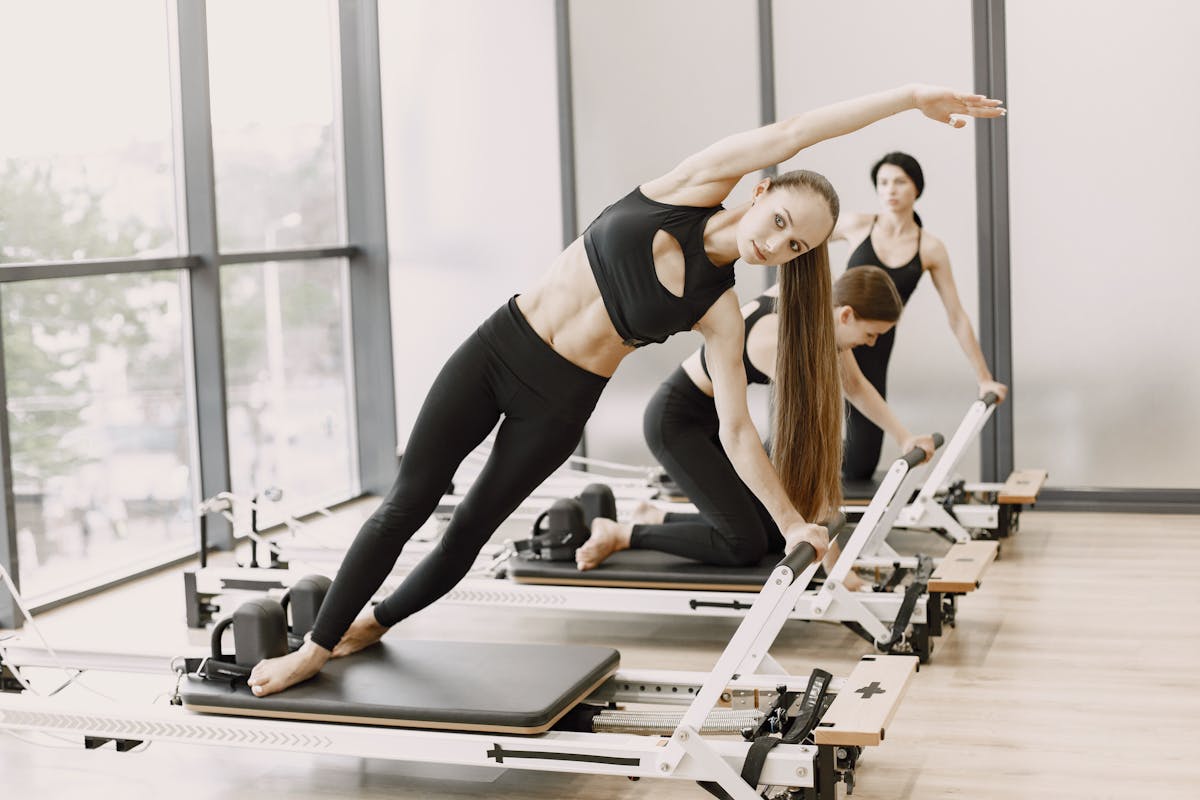
The pressure for an ideal body in the female world has existed for decades and, even today, training for women still carries more weight for aesthetics than for well-being.
In addition to the pressures regarding appearance, women also face countless responsibilities , and when they decide to focus on their health, they are often blocked by fears or the feeling that they are no longer at the stage of maintaining an active sports routine.
Given this scenario, in this content we will explain the importance of adapting your training to your reality according to your goals and stage of life.
Why is it so important for women to do physical activity?
You’ve probably come across the phrase “woman of phases.” While it’s symbolic of this group, the term perfectly captures the role of physical activity in each stage of a woman’s life .
Because women undergo various hormonal and physiological changes throughout life, moving your body at each stage will provide a range of benefits , including well-being and a balanced life. Follow along:
In adolescence: Physical exercise helps regulate the menstrual cycle, reduce PMS symptoms, and develop a foundation of strength and motor coordination that will stay with a woman throughout her life.
Throughout adulthood: Faced with multiple shifts, such as work or motherhood, training becomes a physical and emotional outlet, helping with daily activities, as well as generating energy and a better quality of life.
During and after menopause: Physical activity helps preserve lean mass, protect against bone density loss and maintain mobility, reducing the risk of fractures and maintaining well-being.
Regardless of your current stage, physical activity goes beyond aesthetics. Whether it’s for energy or simply for healthy aging, the female body needs to stay active to stay healthy!
Workout for women: what are the main types?
Women’s greatest frustration when practicing any sport is typically due to aesthetic pressure, as the ultimate goal is to achieve an unrealistic body. This culturally imposed approach distances women from what truly matters: training for health and quality of life.
To inspire you to move your body, regardless of your current stage, check out 4 types of workouts that might be perfect for you:
Strength training for women
Strength training is one of the most important health benefits for women , regardless of their stage of life . It helps:
- Preserve lean mass.
- Strengthen joints.
- Prevent osteoporosis.
- Assist in mental health.
And don’t think that making weight training your primary form of training will make you “too muscular .” Besides being a myth, this idea only serves to discourage you from an active exercise routine.
Also, strength training is especially recommended during menopause, a phase in which there is greater loss of lean mass and bone density!
Functional training for women
Functional training focuses on everyday movements (squatting, pushing, pulling, and others) , with the aim of improving physical and cardiorespiratory fitness.
By investing in this type of training, you will be able to:
- Improve physical strength.
- Improve mobility.
- Develop balance.
- Stimulate motor coordination.
Furthermore, it is a versatile type of training, highly recommended for those who live a routine that demands energy, physical endurance and agility.
Resistance training for women
Focused on performance, this modality is recommended for those who want to develop endurance or seek more energy for everyday life.
Some of the benefits of investing in this type of training are:
- Improve the body’s ability to sustain continuous effort.
- Help maintain balanced heart health .
- Greater productivity for routine demands.
Aerobic training for women
Aerobic training includes numerous activities, the main ones being: running, swimming and cycling.
Here, the objective of this type of training is to generally improve cardiorespiratory capacity and physical conditioning.
Although it is highly sought after by women seeking weight loss , its benefits go much further:
- It benefits the cardiovascular system.
- Reduces the risk of chronic diseases.
- Improves oxygenation.
- Releases hormones that contribute to well-being and quality of life.
How to adapt training to different stages of a woman’s life?
Women’s training should keep pace with the constant changes throughout life, respecting the pace and needs of each phase. Initially, the most important thing is to create a habit, training 3 to 4 times a week, to establish a commitment to yourself!
Also, having the support of a trainer can make all the difference in maintaining consistency and not turning exercise into an obligation, but rather a natural part of your daily routine. And this applies to any phase; after all, consistency is what sustains results.
One day you might not have the energy to train alone? Choose a group class. Need more focus? Go for functional training. Want more energy for your day? Strength training can be your ally.
At all stages, exercise helps maintain health, well-being, and independence. When exercise becomes part of your routine, it stops being just an effort and becomes a continuous form of self-care!
